Moving insurance is the difference between receiving fair compensation if something breaks or gets lost during the move and ending up with symbolic compensation calculated by kilos. With over 15 years of organizing moves in the Canary Islands, at Horizont Atlantic we see the same pattern: people discover how carrier liability works the day something happens. This guide explains what insurance actually covers, when you need to declare value and how to do it right, without the fine print.
What exactly does moving insurance cover?
In a move there are two coverages that are not the same and are often confused:
1. Carrier's liability insurance (comes by default)
Every legal moving company in Spain operates under the Land Transport Ordering Law (LOTT) and its regulations (ROTT). This legislation sets a minimum liability limit for lost or damaged weight (approximately one-third of IPREM per gross kilogram). In other words: if a 30 kg piece of furniture breaks, the automatic compensation is calculated based on that weight, not on what the furniture cost. This legal limit exists so that the company is always liable, even if you haven't signed anything extra, but it rarely covers replacing the item at its actual value.
2. Moving insurance with declared value (the one that matters)
This is the one contracted specifically for your move and is calculated based on the declared value of the shipment: the figure you set as the total value of what is being transported. That figure is the maximum compensation ceiling of the policy. There are two variants:
- Declared global value: you set a total amount (for example, €20,000) for all furniture. It covers damage, loss and theft that occur during the move up to that maximum.
- Itemized inventory: a list is attached where each piece of furniture/object has its value. This is the most advisable if you are transporting expensive, delicate or hard-to-replace pieces (high-end appliances, works of art, musical instruments, designer furniture).
How to declare the value without making mistakes
Declaring value is not "making up a nice number". If you underestimate, you'll get paid little; if you overestimate, you'll pay more premium and the insurance company may ask you to prove a value you can't justify. These are the criteria we use with our clients:
Value by replacement cost, not original purchase price
A sofa that cost €1,200 eight years ago is not compensated at €1,200 new: it is valued at the equivalent sofa today, accounting for depreciation. But don't declare it at €100 "because it's old": if it gets lost entirely, you need to buy a functional replacement. The realistic middle ground is what an equivalent sofa in similar condition would cost you today.
Make an inventory before signing
Go through the house room by room and note furniture and boxes with a value of over €200-300 each. The rest can go in the global amount. This inventory, signed by both parties, is proof in case of a claim. If there are very valuable pieces (watches, jewelry, art, collections), many policies require express declaration and in some cases prior appraisal; ask beforehand.
Photograph what leaves the house
Dated photos of the previous condition of the main furniture. It's the best defense against "it was already scratched." Keep receipts or proof of value for expensive pieces: the insurance company will ask for them.
What moving insurance typically does NOT cover
Although each policy has its terms and conditions, there are very common exclusions worth knowing before signing to avoid surprises:
- Boxes packed by the customer: if you pack and seal a box, the insurance company typically covers only the complete loss of the package, not internal damage (it cannot verify how it was packed). If you have glassware, dishes or expensive electronics, let the company do the packing.
- Cash, jewelry, documents, securities and collectible items not expressly declared.
- Pre-existing damage not reflected in the delivery/receipt report.
- Inherent defects in the object: pieces with weak structure or pieces that disassemble and come apart over time.
- Force majeure with caveats: catastrophes, war, riots. Maritime claims between islands usually fall under a separate chapter (general average, marine cargo insurance).
- Moves that the customer does themselves (self-service with rental van): there's no carrier insurance there and you're liable.
Specific cases: when basic insurance falls short
Move to another island or mainland
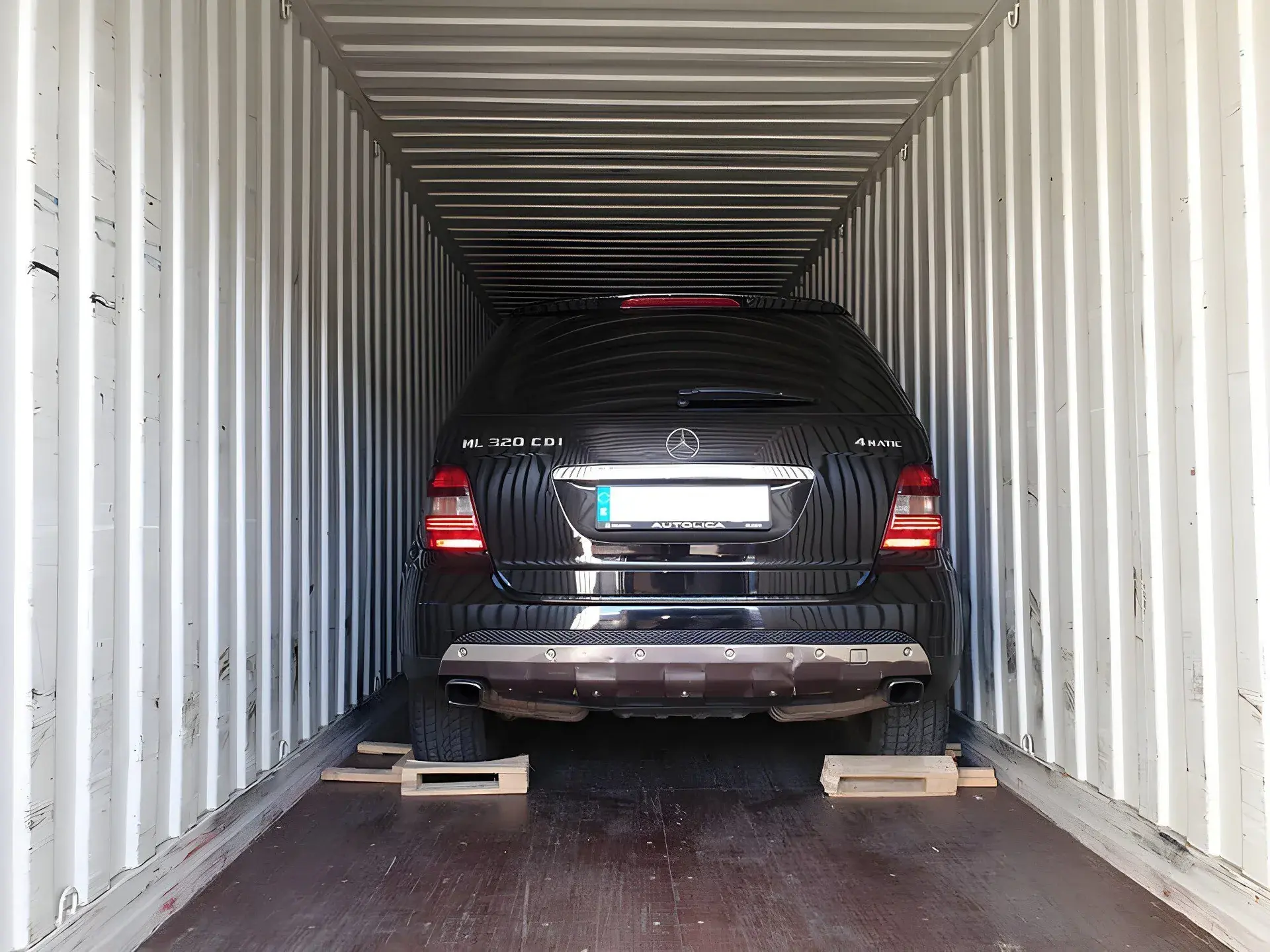
For routes with maritime transhipment, cargo insurance during the voyage comes into play. Our moves in Tenerife to other islands or to the mainland include complete door-to-door coverage, but it's worth checking that the policy specifically covers the maritime phase and cargo handling at the port, where much of the damage occurs if the package is not properly secured in the container.
Storage facility or transit with intermediate storage
If your furniture stays in a storage facility for a few days or weeks before final delivery, check that the policy covers that stay as well. Some policies are limited to transport and others extend coverage to storage as long as it's the same company. Transport insurance is not the same as storage insurance.
Office moves and sensitive equipment
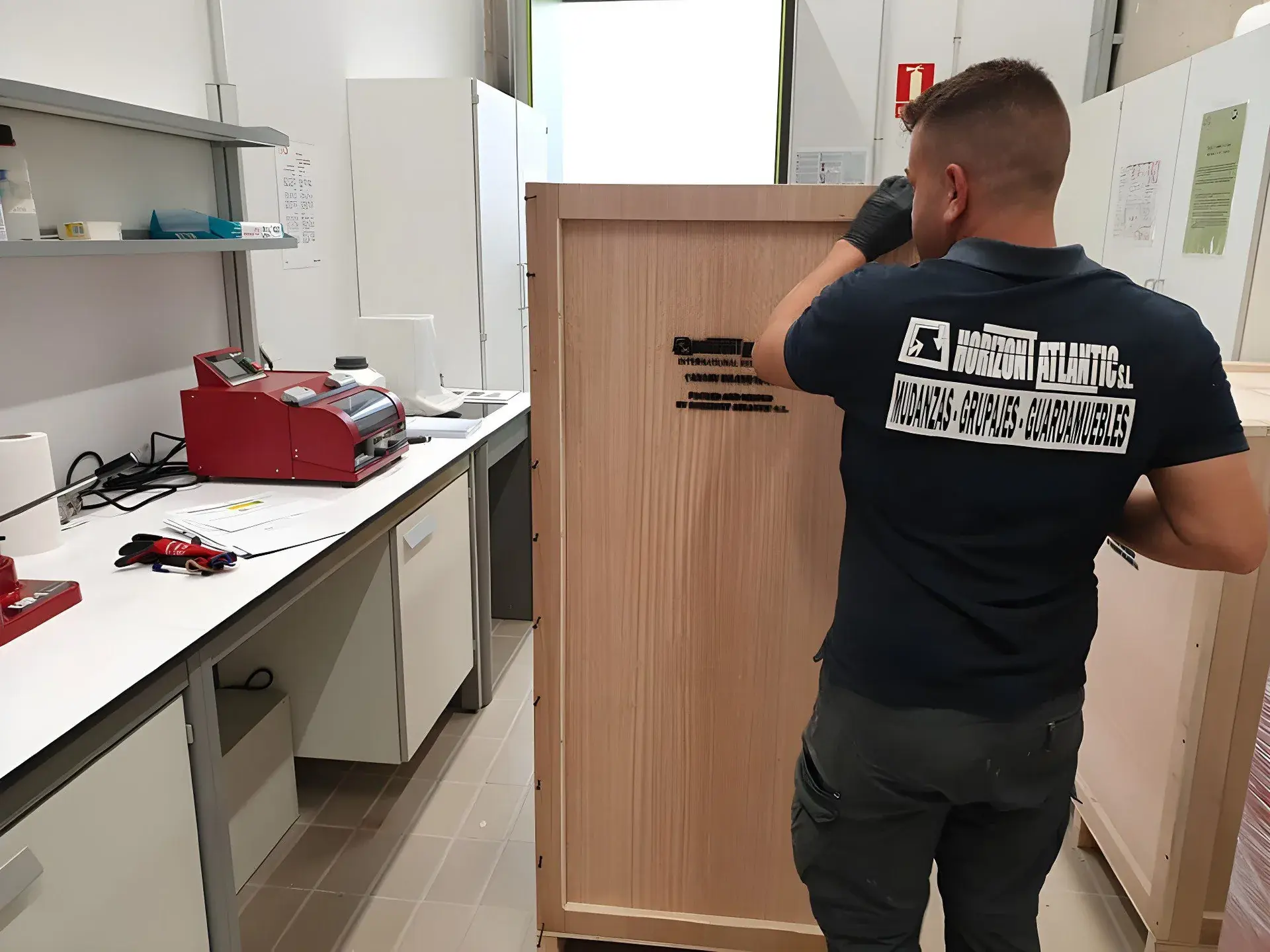
Computer equipment, servers, laboratory machinery or professional materials are insured by itemized inventory, almost always. Also think about business interruption: if equipment takes two weeks to replace, what does that cost the business? It can be covered separately, but you need to agree on it beforehand.
How to act if there's a claim
If something arrives broken or missing, the order matters:
- Do not sign off on the delivery receipt until you have reviewed it. If you detect damage or missing items, make it clear in writing on the receipt itself before signing: "received with reservations: scratch on living room sideboard / missing box no. 12". That note is the basis of your claim.
- Notify the company in writing (email is fine) within a short timeframe—normally 7 days from delivery for non-visible damage, and immediately for visible damage.
- Provide photos, signed inventory and receipt or proof of value of the affected item.
- The company will report it to its insurance company; within a few days the assessment and valuation will be processed.
Keeping the receipt, inventory and prior photos turns a dispute into a formality. Without those documents, everything gets complicated.
Before hiring: questions that avoid surprises
When you request moving quotes, in addition to the price ask this in writing:
- What declared value does the estimate include by default? Can I increase it and how much does it cost?
- Does it cover customer packing or only packing done by you?
- Does the policy cover the maritime route and/or storage if applicable?
- What is the deductible per claim?
- Can I see a copy of the policy terms before signing?
A reputable company will show it to you without issue. These same precautions and others are detailed in our guide on how to choose a professional moving company, which is worth reviewing before deciding.
Summary
Moving insurance is not an optional extra that can be dispensed with: it's what turns an accident into a formality and not an economic loss. The legal minimum covers by weight, not by value, so declare the actual value of what you're moving, make a signed inventory of expensive pieces, photograph the previous condition and don't pack delicate items yourself. If you're unsure about figures, ask the company for a simulation with two scenarios (minimum legal value vs. declared value): the premium difference is usually small, the coverage difference is huge.
If you're planning a move and want an estimate with coverage already calculated, at Horizont Atlantic we'll prepare a Tenerife moving quote with insurance options clear from the start, with no surprises when signing.