Working out the cubic metres (m³) of your removal is the first step towards getting a realistic quote and avoiding surprises on moving day. With more than 15 years organising removals in the Canary Islands, we know that most complaints stem from a poorly estimated volume: a truck that's too small, extra boxes, or add-on services that turn up at the last minute. In this guide we explain how to do the calculation step by step, with equivalences per item of furniture and an at-a-glance table by home type.
Why is a removal measured in m³?
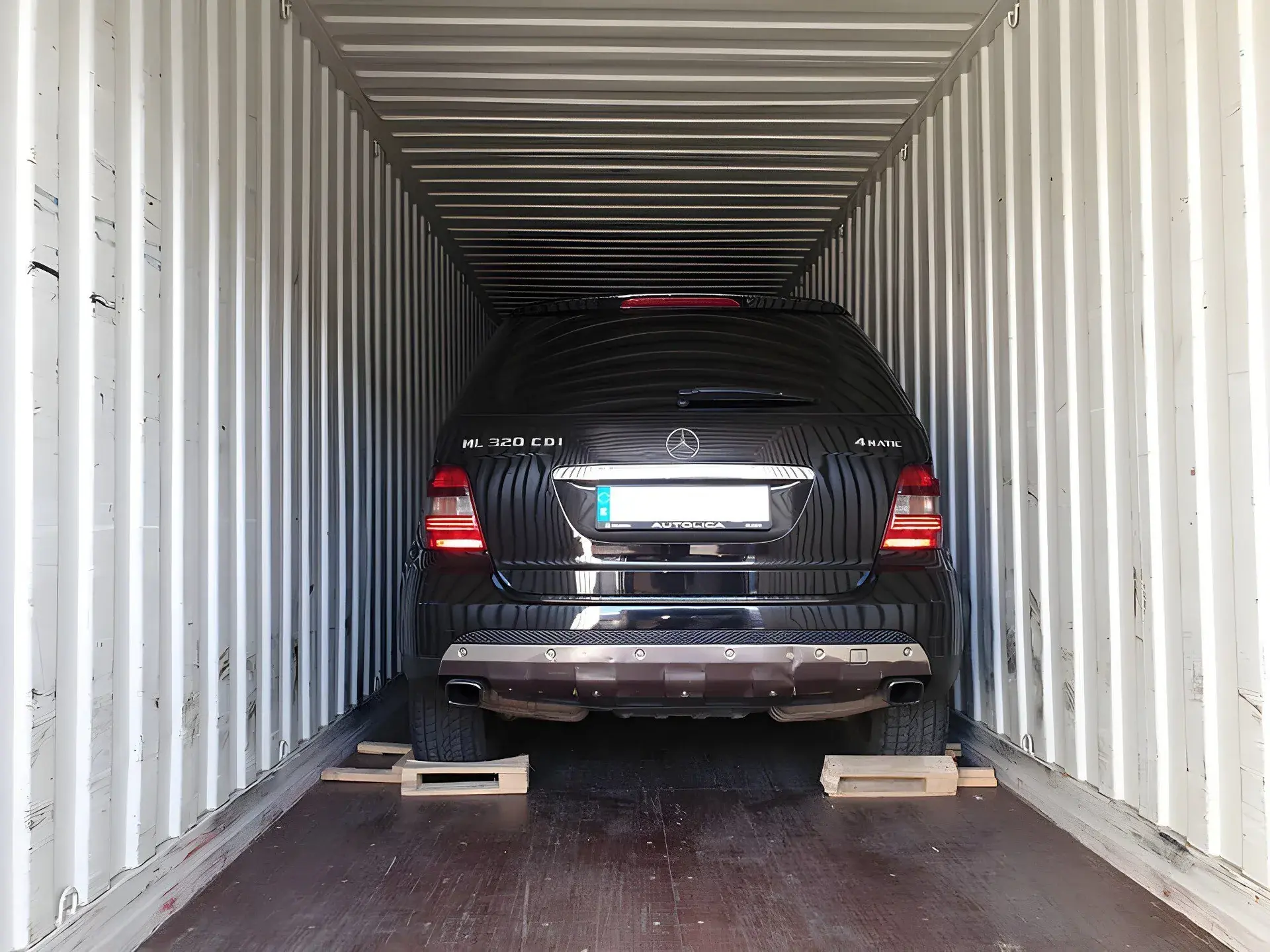
Volume (m³), not weight, is what determines how much space your belongings will take up inside the truck, the container or the storage unit. A mattress weighs little but takes up a lot of space; a box of books weighs a lot but takes up little space. For a removals company, what matters is how many cubic metres need to be moved, because that determines the size of the vehicle, the number of movers and the hours of work required.
That's why, when you ask for a removal quote, the first serious question will be: how many m³ do you have? If you answer with a reliable figure, you'll avoid both overpaying and running short of space.
How to calculate the m³ of your removal step by step
You don't need to be a mathematician: a sheet of paper, a tape measure and this guide are more than enough. Set aside 20-30 minutes to walk calmly through the house.
1. Make an inventory room by room
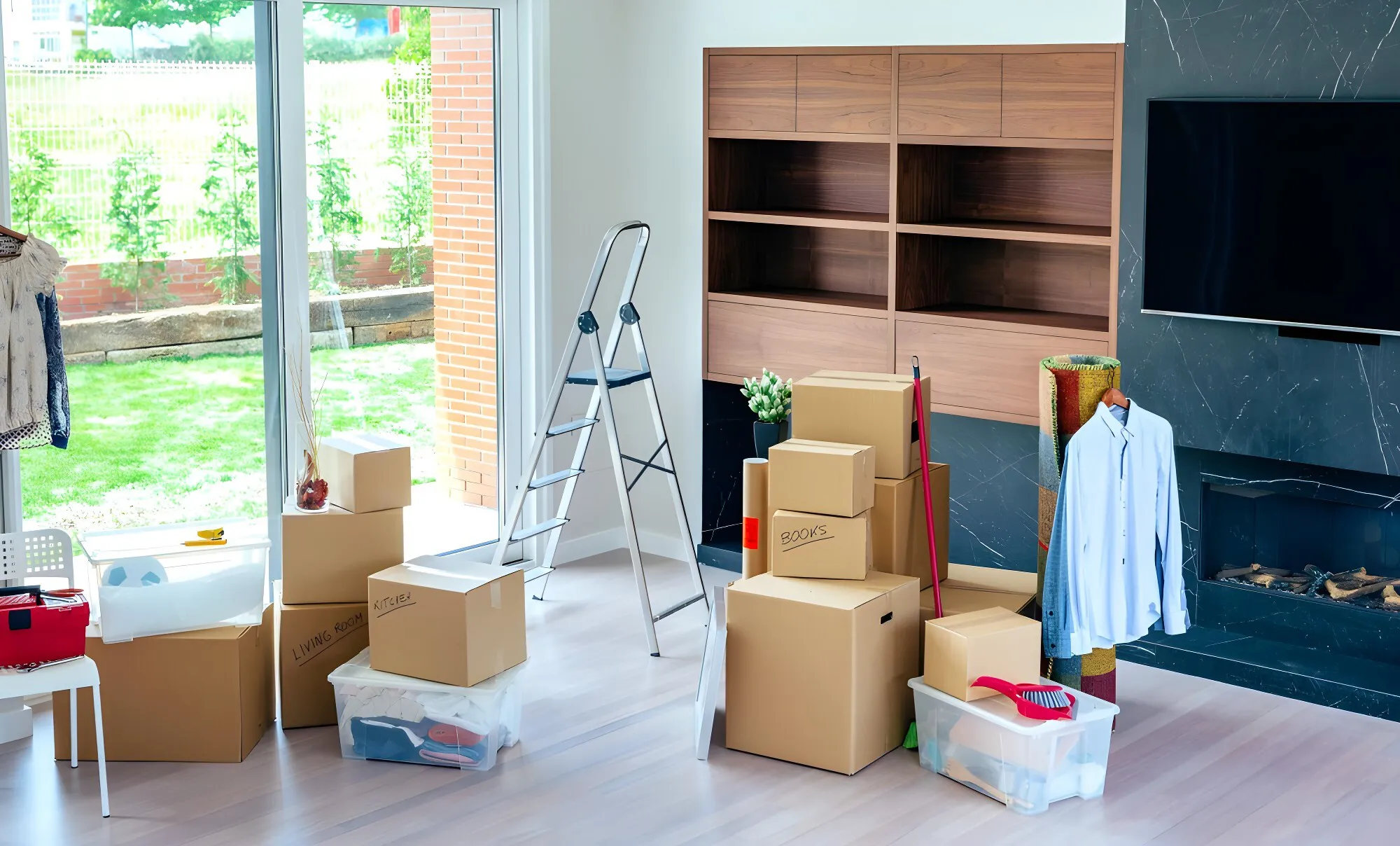
Start with the living room and work your way through bedrooms, kitchen, bathrooms, storage rooms and terraces. Note down each large piece of furniture (sofa, bed, wardrobe, table, appliance) separately. Don't mix rooms together: if you later decide to leave something behind, it will be easier to subtract it.
2. Use the standard equivalence per item of furniture
Most removals are calculated using a table of m³ equivalences by type of furniture. Below is ours, checked against thousands of real removals. Simply add up the value of each item on your inventory.
3. Estimate the volume of packing boxes
Clothes, books, crockery and small items add up more than you'd think. As a reference: a medium removal box (about 55×35×35 cm) comes to around 0.07 m³. A two-bedroom flat usually generates between 40 and 60 boxes, which is equivalent to 3-4 m³ of cardboard alone. A three-bedroom flat with a fully equipped kitchen can reach 70-100 boxes (5-7 m³).
4. Add it all up and include a 10-15% margin
Once you have the total, add a 10-15% buffer for forgotten items, protective packing materials (blankets, bubble wrap, corner protectors) and the gaps left between irregularly shaped items inside the truck. That margin is realistic, not a sales trick: anyone who skips it usually ends up running out of space on moving day.
Guide table: m³ by type of home
We use these figures as a quick reference when someone calls us without having done an inventory. They don't replace an on-site technical survey, but they help to give a first quote and decide whether you need a light van, a 3,500 kg truck or a trailer.
- Studio or small flat (1 bedroom, around 40-50 m²): 10-15 m³.
- 2-bedroom flat (60-80 m²): 20-25 m³.
- 3-bedroom flat (90-110 m²): 30-40 m³.
- 4-bedroom home or small detached house: 45-60 m³.
- Large house with a full storage room and garage: 65-90 m³ or more.
If you've lived in the same flat for many years, it's normal to end up above the range: storage rooms, lofts and terraces build up volume without you noticing. If you've just moved in and only have the essentials, you'll come in under the range.
Quick equivalences: m³ per item of furniture
These are the reference figures we use internally to assess technical surveys. They are averages: a modern three-door wardrobe takes up a different amount of space than an old traditional one, but as a starting point they work well.
- 2-seater sofa: 1.2 m³ · 3-seater sofa: 1.8 m³ · Chaise longue: 2.5 m³.
- Double bed with base and mattress: 1.8-2.2 m³ · Single bed: 1.0-1.3 m³.
- 3-door wardrobe: 2.0-2.5 m³ · 4-door wardrobe: 3.0 m³.
- Chest of drawers or dresser: 0.6-0.9 m³ · Bedside table: 0.15-0.20 m³.
- Dining table (without chairs): 0.8-1.2 m³ · Dining chair: 0.15 m³.
- Fridge-freezer: 1.0-1.2 m³ · Washing machine / tumble dryer: 0.4-0.5 m³ each.
- Television (boxed): 0.25-0.45 m³ depending on screen size.
- Bicycle: 0.4 m³ · Medium removal box: 0.07 m³ · Large box: 0.10-0.12 m³.
Common mistakes when calculating your m³
After more than 15 years carrying out removals in the Canary Islands, these are the mistakes we see time and again:
- Forgetting the storage room, the terrace and the garage. These are the three places that hide the most extra m³.
- Not counting boxes. "I'll just put the clothes and books in bags" ends up being an extra 5-7 m³ on moving day.
- Measuring only by weight or number of items. Neither weight nor "how many things" determine the truck size: volume does.
- Confusing the m² of the home with the m³ of the removal. It isn't proportional: a heavily furnished 100 m² home can involve moving more m³ than an almost empty 130 m² one.
What if you'd rather not calculate it yourself?
If the inventory feels confusing or you're worried about underestimating, request a free on-site survey. A technician will walk through your home, measure everything, take notes and give you the estimated volume in writing, along with a fixed quote. It's the most reliable way to start from a figure that won't change later on. In our guide to the cost of a removal in Tenerife you can see how volume translates into euros, and in removals in Tenerife you'll find all the services we usually combine (packing, temporary storage, assembly/disassembly).
As a final note: if someone gives you a quote without having asked about your m³ or come to see them in person, be wary. Volume isn't a minor detail: it's the figure the whole invoice rests on.