
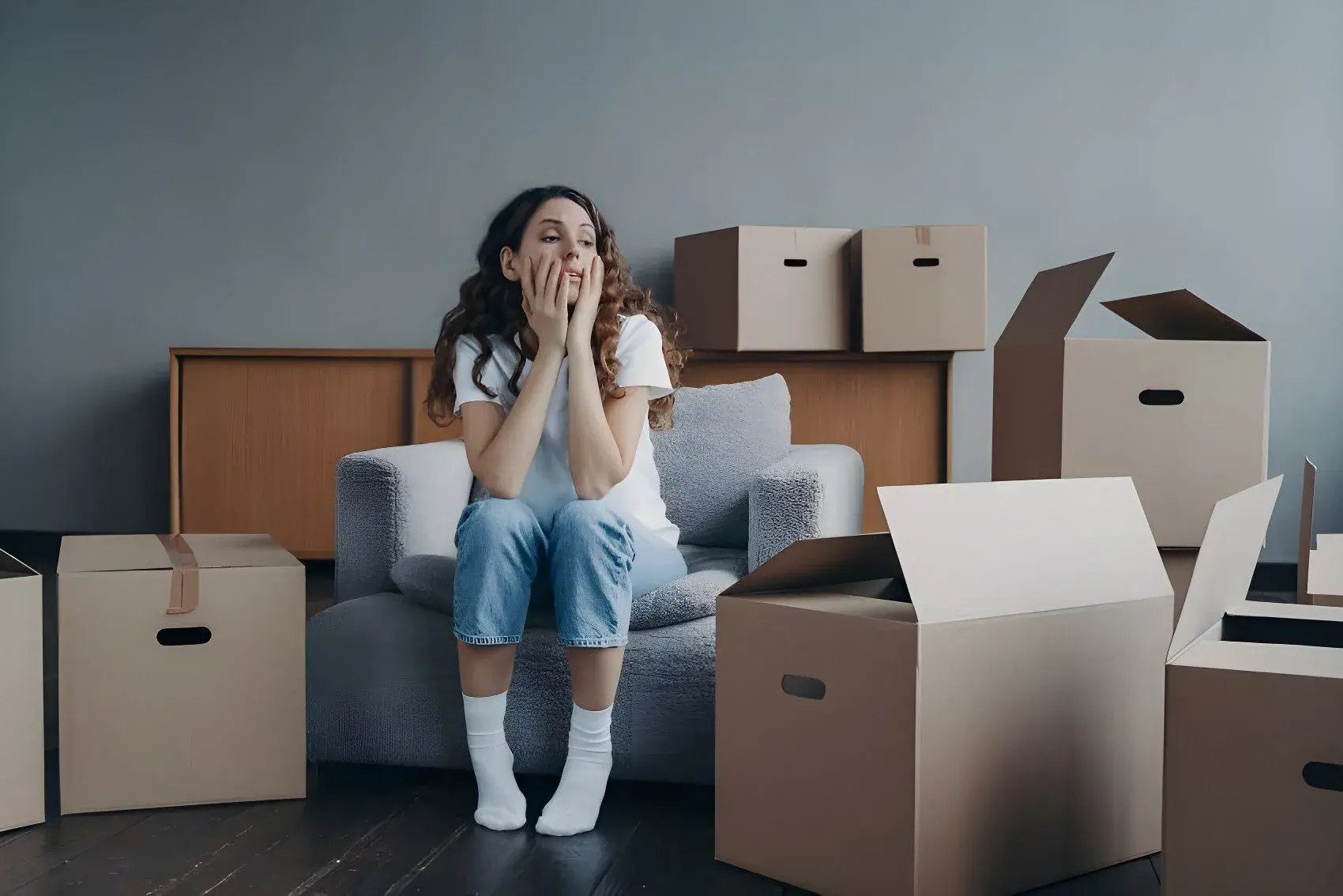
A removal is stressful for anyone, but for older people it represents a far deeper change: they are leaving behind decades of memories, routines, neighbours and a familiar environment. This guide covers the specific considerations for a removal involving an elderly person, whether for family reunification, a care home, relocation to the Canary Islands for the climate, or any other reason.
The emotional side before the logistics
Involve the elderly person from the very start
The most common mistake is deciding on the move FOR the older person without genuinely consulting them. Even if the final decision is unavoidable (health, dependency), the person needs to feel they have some control over the process. Helpful questions to ask:
- What things matter most to you and must travel with you?
- Which specific pieces of furniture do you want to keep?
- Do you want to take framed photos? Books? Your record collection?
- Are there objects you would like to give to specific family members?
This turns the move into a shared process rather than something imposed.
Allow time to say goodbye
Older people need to say goodbye to their home, their neighbours, their neighbourhood and their routines. Plan several weeks in advance so they can visit friends, go to places they love, attend their usual church service or have a coffee at their favourite bar one last time. These rituals are healthy and ease the grief that follows.
Practical logistics for a removal with an elderly person
Moving day: they should NOT be at home
The chaos on loading day — noise, strangers, everything disappearing — is exhausting and disorienting for an older person, especially one showing early cognitive decline. The best option is for them to spend the day with a family member, a trusted friend or at a day centre. Let them arrive at the new home once it is already organised, not empty and chaotic.
Recreate the bedroom exactly as before
If the move involves keeping the bedroom furniture (bed, bedside table, lamp, rug), photograph how it is arranged before dismantling it and recreate the exact layout in the new bedroom. This reduces nocturnal disorientation (wanting to find the bathroom and not knowing where the door is because it is on the other side).
The "Everyday Essentials" box — a must
Prepare a box with the items the elderly person uses daily and must find immediately on arrival:
- Regular medication (with its weekly pill organiser)
- Reading glasses, distance glasses and computer glasses
- Walking stick, hearing aid or other mobility aids
- Their address book (on paper, not just on a mobile)
- Toothbrush and familiar toiletries
- Their favourite blanket or sofa cushion
- The book or magazine they are currently reading
- Framed family photos (especially grandchildren or loved ones who have passed away)
Documents: do NOT lose these papers
- Valid national ID, health card, social security booklet
- Banking documents (savings book, account details, cards)
- Repeat prescriptions and medical reports
- Key to the new home, clearly labelled
- Printed list with emergency numbers, children's contacts, GP
- If they have a pet, its health record
Adapting the new home BEFORE the move
If possible, have the new home ready before the elderly person arrives:
Basic safety measures
- Grab rails in the bathroom (shower, toilet): 30–80 € at any hardware store
- Non-slip mats in the bathroom and kitchen
- Night lights in hallways on the way to the bathroom (LED sensor lights)
- Remove rugs from hallways (the main cause of falls)
- Check for loose cables on the floor
Access to everyday items
- Shelves and wardrobes at an accessible height (not too high, not too low)
- Remote control and telephone close to their usual armchair
- Emergency call button (if they live alone, consider a personal alarm system)
Moving in with family
If the elderly person is going to live with a son, daughter or other relative, the "shared spaces" also need adapting:
- Their own room with familiar furniture (not entirely new pieces)
- Privacy and respect for personal time
- Agreed routines: mealtimes, walks, naps, bathing
- Space for their hobbies (books, sewing, television at their preferred volume, etc.)
Moving to a care home
Particular considerations for a care home move:
- Personal space in a care home is usually small (12–25 m²). You need to decide very carefully which pieces of furniture will actually fit
- Most homes provide a bed, wardrobe and bedside table — do not bring those
- Do bring: personal items that create a sense of "home" (small pictures, photos, a blanket, a cushion, a plant)
- Label ALL clothing with a permanent name tag (care home laundry mixes everything up)
- Coordinate with the home on the arrival day and time (they often have specific check-in procedures)
Moving to the Canary Islands for health reasons
The mild Canarian climate is ideal for older people with respiratory, joint or rheumatic conditions. If this is the reason for the move, consider:
- Register on the municipal roll immediately: this entitles you to a Canarian health card and a 75% discount on flights to visit family on the mainland (see how to register in the Canary Islands)
- Register with a local GP as soon as you arrive to transfer your medical records
- Private specialists available on the islands (Tenerife and Las Palmas have excellent private hospitals: Quirónsalud, Vithas, Hospiten)
- Heating in the new home: although the climate is mild, Canarian homes rarely have central heating. In winter (15–18°C at night) it can feel cold indoors
Frequently asked questions about removals with elderly people
Is it harmful to move an elderly person with cognitive decline?
It depends on the degree. In the early stages, keeping the older person in familiar surroundings is usually preferable if it is safe to do so. If the move is unavoidable (they cannot live alone, health risk), it is better to do it sooner rather than later, with PLENTY of emotional support, rather than waiting for the decline to progress further. Recreate familiar elements in the new home.
How far in advance should you start planning an elderly person's move?
A minimum of 6–8 weeks, ideally 2–3 months. Time is needed for grieving, sorting through belongings accumulated over decades, handling administrative matters (new GP, pension, banks) and getting the new home ready before the move.
Is there financial support for moving elderly people?
There are no specific grants for "removals" as such, but there are: the Dependency Act (which can subsidise adaptations to the new home), regional grants for accessibility works, and IRPF deductions for home adaptation costs for people with disabilities. Consult the social services of your new municipality.
Does your company have experience with moves for elderly people?
Yes. At Horizont Atlantic, a significant proportion of our removals are relocations of elderly people to the Canary Islands (family reunification or retirement). We understand the timescale, the pace and the sensitivity these moves require. We coordinate with the family and respect the person's rhythm.
What happens to furniture that does not fit in the new home?
Three options: 1) temporary storage (while you decide), 2) distribute among family members (we manage the logistics), 3) donate to charities or sell online. We advise without pressure so the elderly person does not feel that "their things are being taken away".
Professional support
A removal involving an elderly person is not merely a transport service: it is a human process that requires patience, sensitivity and experience. At Horizont Atlantic we offer a personalised service with a technical survey that includes a conversation with the elderly person and the family, planning tailored to their pace, and a team trained in working with older adults. Contact us to discuss your specific situation with no obligation.