
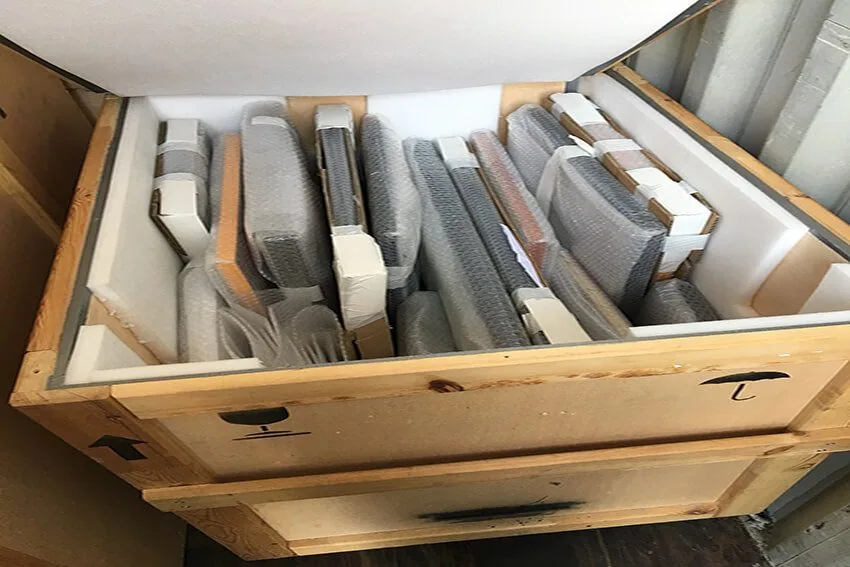
If you have to prepare a change of residence in a few weeks or soon, one of the doubts that might arise is how to wrap pictures for a move. Pictures and other works of art are very fragile elements but with high sentimental and material value, which must arrive at the destination in perfect conditions.
Today we offer you some tips for this practice including packaging for paintings and the entire process involved in how to pack works of art.
Tips for wrapping pictures for transport
Before starting with the move, the first thing is to stock up on packaging materials appropriate to effectively protect pictures, works of art and photo frames. In this list appear cardboard boxes for pictures with appropriate sizes, high quality tape, soft packing paper and packaging for paintings. Along with this, don't forget a marker to label each box.
How to pack a picture for transport
If it's photos, place it on a large sheet of soft packing paper, with the face down, and wrap it the same way as if it were a gift. You can use additional sheets to cover the entire frame. Once this step is done, close the package with packing tape, with the image, a picture also works, as tight as possible, without wrinkles.
In case they are works of art or very valuable images you can include bubble wrap or another protective element, but always making sure that everything is well secured with adhesive tape.
Putting pictures in boxes
Ideas for wrapping photo frames include using all types of protective elements, from bubble wrap to newspaper paper and even cotton and textile elements. The boxes in which pictures and photos go must be larger than the framed items, but not excessively loose.
Furthermore, in the corners and areas that remain between the framed items and the box you must use filling material or crumpled packing material. Individual frames must be well isolated from each other.
Finally, once the box is closed, all that's left is to label it with the marker, to know what it includes inside, and use enough tape to keep it hermetically sealed. If the items included are very fragile, it's a good idea to write instructions inside on how to reposition the pictures.
Trusting a moving company
All this task can be done individually, with the appropriate material for it, or else trust a transport company. Services like those we offer at Horizont Atlantic ensure that your belongings will arrive in perfect condition at the destination.
Furthermore, we also have the possibility of renting storage units and furniture storage in case you don't have enough space at home for all your belongings.
The tips on how to wrap pictures for a move end here, but they are quickly summarized in treating these delicate elements with great care, equipping yourself with sufficient protective material and consulting with a specialized company in case of doubt.
Frequently asked questions about picture packing
Can I use bubble wrap directly on the picture?
NO on the painted surface. Bubble wrap can stick to recent varnishes or oil paintings and leave a permanent mark. First use tissue paper or soft fabric on the painted surface and only then bubble wrap as a cushioning layer.
How are very large pictures transported (more than 1 meter)?
Custom-made boxes (they sell them on order in art stores and moving warehouses) or pallets with wooden structure. For pictures of more than 1.5 m the best option is vertical transport with specific fastening. Never stack other packages on top.
Do you have to remove the pictures from the frame to transport them?
Usually NO. The frame protects the canvas. It is only disassembled if the frame is very fragile (leaf gold, antique marquetry) or if the picture will travel by plane and the frame doesn't fit measurements. For moving by road or ship, keep the frame assembled.
Are watercolors transported the same as oils?
No. Watercolors (being works on paper) are even more sensitive to moisture and creases. Better in a rigid portfolio folder with glassine paper sheets between works. Never roll (it can damage paper fibers). For valuable watercolors: professional portfolio box with closure.
And pictures with glass? Do you put tape on the glass?
Yes, you apply adhesive tape (painter's tape, not strong) in an "X" or "*" shape on the glass. If the glass breaks during transport, the tape prevents the fragments from falling on the work and damaging it. It's a common professional trick. More about art and collectibles: transport collectibles.
If they are valuable pieces or there are many of them, it's worth having the packing done by the same team that then transports them and is responsible for them. In our moves in Tenerife pictures travel with corner protectors, foam board and rigid box, and are insured. Request a quote indicating number of pieces and measurements.