
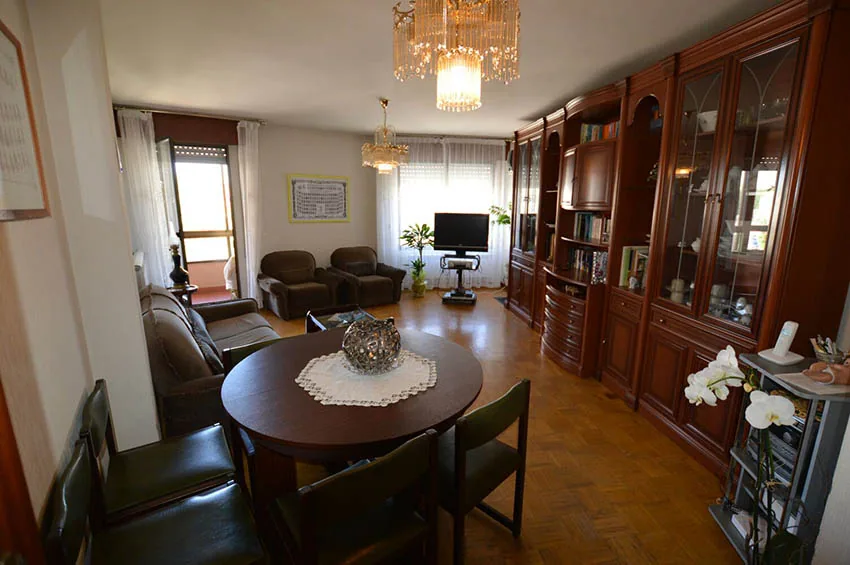
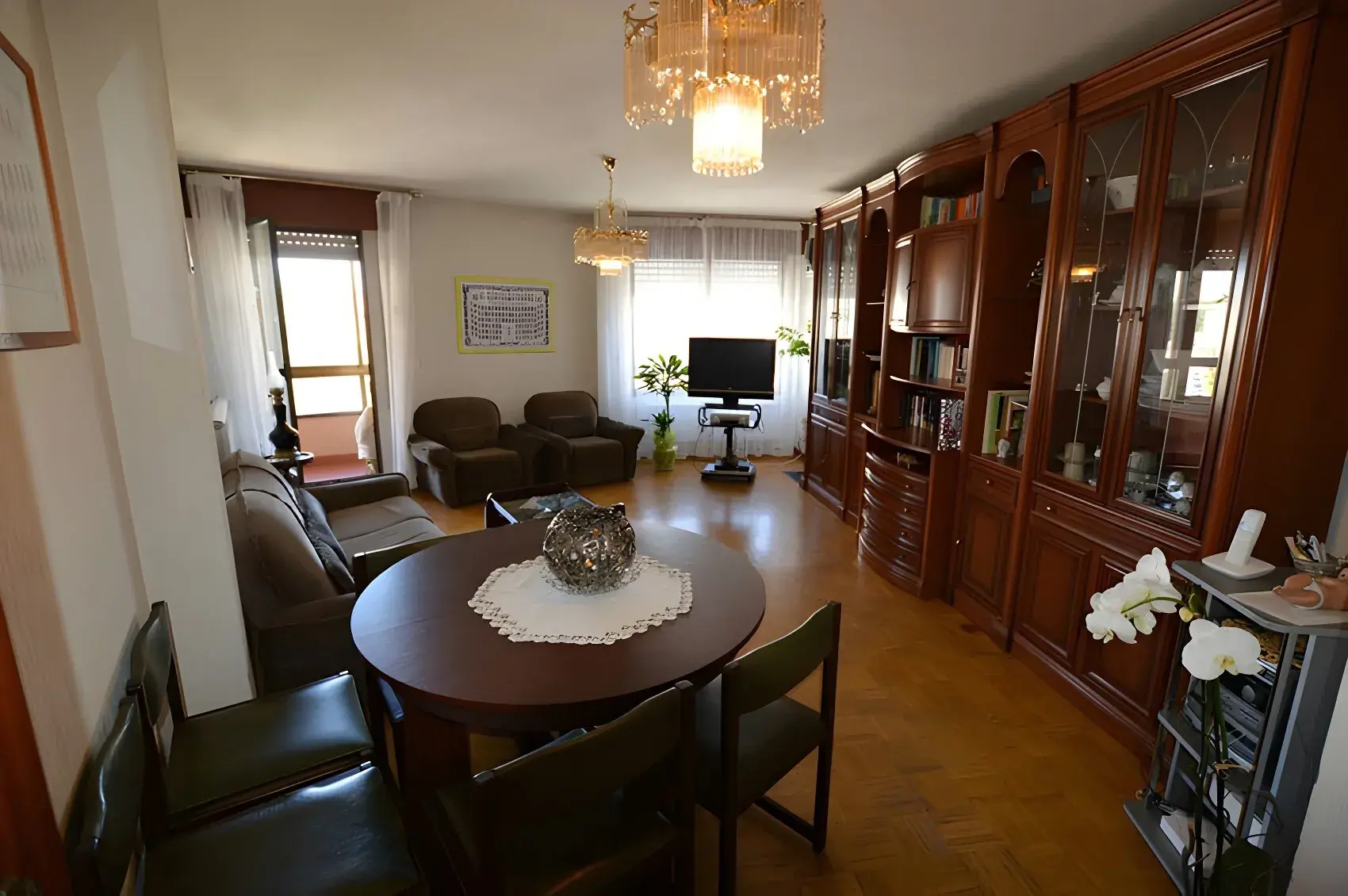
100 m² home in santa cruz de tenerife, furniture removal in record time
Living in a small house doesn't tend to be a recurring dream — our minds usually drift to a mansion near the beach or out in the countryside when we imagine unlimited budgets. Yet the question of size is, in truth, overrated.
As we grow older, we come to understand those who told us that in the end, we keep only what is essential. We learn to let go of material burdens and focus on what truly matters, and that shift in mindset very often means moving to a smaller home.
When to move from a large house to a smaller one
Moving in Tenerife to a smaller home in certain circumstances is a sign of wisdom. If you are going through any of the following situations, it is time to seriously consider making that change.
1. You feel you own too many things
A reliable indicator of someone's maturity and personal growth is their ability to value experiences over possessions. If you live in a large, item-filled home, you may reach a point where you feel it has swallowed you whole.
That is the moment to look for change. If you have already passed that turning point, don't let the move put you off. At Horizont Atlantic we advise and assist you throughout the entire relocation process — and you don't even have to part with everything. Our storage and furniture-storage service is an ideal solution while you decide what to do with your belongings.
2. You are spending too much time and money on transport
Living on the outskirts offers peace and space, but it doesn't suit everyone. People who work in the city or lead active social lives will need to travel frequently, with all the expense and time that entails.
Contrary to what you once thought, a smaller apartment in the city can actually improve your quality of life: better transport links, more services, more experiences and more people to share them with.
3. Cleaning takes you far too long
Not everyone can afford domestic help — and even those who can will likely find that it doesn't cover the high volume of tasks a large home generates. The interior alone takes a considerable amount of time, but if you add outdoor maintenance such as a patio or garden, the work is never done.
A small home needs only a few minutes each day to look its best. The key is keeping everything tidy and not accumulating more belongings than you need.
4. Your household has shrunk
Children grow up and, when the time comes, they will leave the family home to build their own lives. Moving to a smaller house will better match your actual space requirements, which will be fewer — making the move a very sensible decision.
It can also be a way of preventing empty-nest syndrome, the general sense of loneliness that parents experience when their children leave home. The change can feel like a breath of fresh air.
What are the advantages of living in a small house?
Small, cosy homes have advantages over large ones — some of which you may have already guessed. Let us recap them for you.
1. It is more affordable
We are not only referring to rent or mortgage repayments, which will probably be lower. We also mean taxes such as IBI, essential utilities like water and heating, and renovation costs that will be far greater in a large property. What's more, a small home needs less furniture.
2. You get used to living with less
A warm, welcoming atmosphere can be created without owning items for every conceivable purpose. Trust us — you need to experience that sense of relief that comes when you let go of things you never used and keep only what truly matters.
3. You spend more time outside
In a way, a large house invites you to enjoy it at home: spending time on the patio, in the garden, or in the surrounding green spaces. A small house, however, encourages you to go out: for a walk in the countryside, for drinks with friends, for a run in the park. It can be a real catalyst for your social life and healthy habits.
Living in a small home has advantages you will probably not want to pass up. If you are at a point in your life where making that big change is both realistic and sensible — go for it! You have professionals on hand who are ready to make everything as easy as possible. If you are looking for a removal company in Tenerife, we could be the one for you.
Frequently asked questions about living in a small home
When is the right time to move to a smaller home?
Clear indicators: the children have moved out and you have spare rooms; retirement reduces income and maintaining a large house becomes a burden; costs (mortgage, community fees, utilities, maintenance) exceed 40% of your income; you prefer free time over cleaning and upkeep; rooms are used only as storage. The rational decision isn't always easy emotionally.
What are the real advantages of living in a smaller home?
Measurable: costs 30–60% lower (rent/mortgage, utilities, community fees, IBI), less time spent cleaning and on maintenance (1–2 hours vs 4–6 hours per week), lower energy consumption, greater capital freed up if you sell the large property and buy a smaller one. Subjective: a simpler life, fewer possessions, more free time for what matters.
How do you work out how many m² is enough?
General rule: 25–35 m² per person as a comfortable minimum. For a couple without children: 50–70 m² (a studio or one-bedroom flat is perfectly comfortable). For a lifestyle that involves working from home or space-hungry hobbies (music, home gym): add 15–25 m². What matters most is not the total but the layout: a well-designed 50 m² beats a poorly planned 70 m².
What furniture works best in a small space?
Multifunctional pieces: sofa bed, extendable table, under-bed storage, trunks that double as benches, fold-away wall desk, vertical Murphy bed. Lightweight and easy to disassemble: makes moving around and cleaning simpler. Vertical rather than horizontal: tall shelving units, floor-to-ceiling wardrobes. Light colours and large mirrors visually enlarge the space.
How do you handle the emotional side of decluttering when downsizing?
The hardest part of a downsizing move. Strategies: apply the Marie Kondo method (does this spark joy?), digitise items with sentimental value (photos, letters, keepsakes), give family members objects with a story (better than throwing them away), sell items of monetary value at second-hand markets, donate good-condition items to charities. Accept that physical space is not the only repository of memories. More on downsizing: Marie Kondo during a move.