
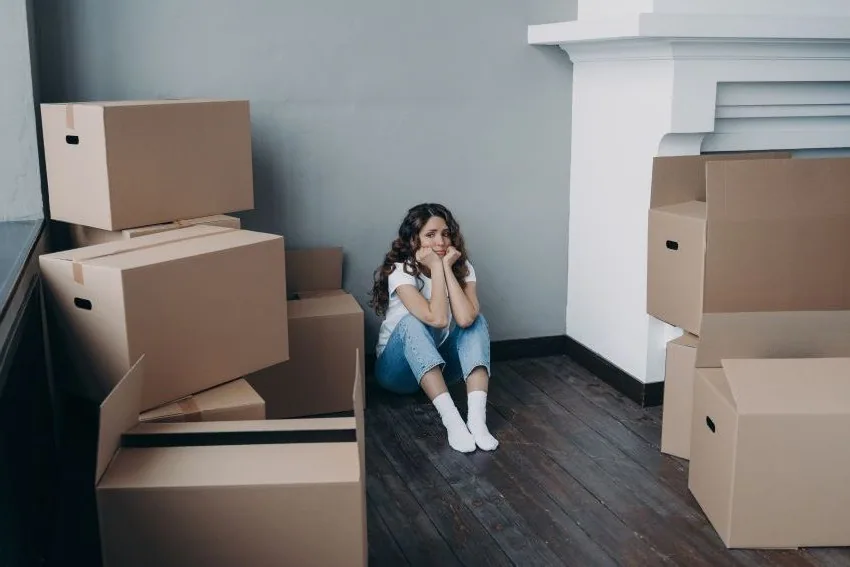
It may seem that moving into a new home is always a reason for joy and excitement, but there are times when it's not.
Why changing homes can generate anxiety and depression
It involves a break in routine
You can move within your own neighborhood, change cities, or even move to a different country. Distance doesn't matter, what matters is that every move involves a break in what was your daily routine.
You will no longer see the same neighbors every day, nor will you buy bread at the same store… You face a new situation, and it's normal that this generates stress and anxiety in you.
It occurs at key moments
"I've moved and I'm sad" is the thought of many people who have just changed their place of residence. However, it often happens that the problem is not really in the act of moving but in the personal circumstances being lived.
Because many people move after a sentimental breakup, after the birth of a child, or to take on a new job. These are situations that cause our stress levels to be elevated, which contributes to us not feeling well.
The move itself is stressful
To move, you have to collect everything in your current house and take it to the new one, and you must do it within a certain timeframe. Since you surely already have many obligations in your daily life, having to collect everything, pack it, and move it from one place to another, makes you feel like you can't do everything and increases stress.
How to prevent a move from affecting you emotionally
Take the opportunity to make a fresh start
Face the situation as the beginning of a new stage. Start as soon as possible to organize your things and take only those you know for sure you will need to the new house. Take the opportunity to get rid of things from the past: clothes you don't use, objects that bring back bad memories, etc.
Trust moving specialists
Once you're clear about what you're taking with you, take worries off your shoulders. At Horizont Atlantic we take care of collecting your things, packing them, and taking them to your new home.
Turn the new house into your home
Forget about "I can't adapt to my new house". To stop seeing it as something foreign to you, you must make it yours. Start by giving it a fresh coat of paint and arranging things to your liking.
If you've listened to us and trusted professionals for the move, you'll know where everything is and can start placing all your furniture and personal belongings in their new place as soon as possible.
As soon as your belongings make their presence felt in your new house, you will feel much more comfortable.
Depression from moving house is common, don't be ashamed to feel it. Stay as positive as possible and start turning your new house into your home. Go out and explore the neighborhood, meet your new neighbors and give yourself time to adapt. In a short time, those bad feelings will have disappeared.
Frequently asked questions about post-move anxiety and depression
Is it normal to feel sad after the move?
Completely normal. Moving is one of the most stressful life events (along with separation, job loss, death of a loved one). Feeling sadness, nostalgia or irritability in the first 2-4 weeks is common and usually subsides as you adapt to the new environment. If it persists for more than 2 months or interferes with your daily life, it's advisable to consult with a professional.
Why do my partner and I argue more after moving?
The accumulated stress from the previous weeks (packing, paperwork, goodbyes) plus the physical exhaustion of the move plus the friction of "unpacking together" (decisions about where things go) creates tension. It's normal. To reduce conflicts: don't try to unpack everything the first weekend, clearly divide tasks, spend time going out to explore the neighborhood together.
What can I do to adapt faster to the new city?
Proven strategies: walk around the new neighborhood aimlessly the first few days (get familiar with it), sign up for a regular activity (gym, sports club, cultural association), use local apps (Google Maps, Meetup, local social media) to find out about events, go to the same cafes/bars so the bartender recognizes you and keep frequent contact with your original network without falling into paralyzing nostalgia.
What about children? How to prevent them from suffering the change?
Keep routines (meal times, sleep, walks) as stable as possible. Keep their familiar objects (stuffed animals, blanket, favorite book) unwashed so the smell is recognizable. Involve them in decisions (color of their room, where to put their toys). If they've changed schools, try to organize 1-2 meetings with friends from their previous school in the first few months.
When should I seek professional help?
Consult with a psychologist if: sadness lasts more than 6 weeks, physical symptoms appear (severe insomnia, persistent loss of appetite, extreme fatigue), you have recurrent negative thoughts or feel that you don't fit in at all in the new environment after 3+ months. Online psychology is a good option if you don't yet have a network of professionals at your destination.
Much of the stress of a move is physical burden and coordination, and that part can be entirely delegated: in our moves in the Canary Islands we pack, transport and assemble at the destination, and you only decide the dates. Fixed price in 24 hours, to also remove the uncertainty of the price.